





Self-service kiosk
Also known as an interactive kiosk, a self-service kiosk is a screen-based device used to display information or facilitate an action. Unlike a standard tablet kiosk, a self-service kiosk is one that people use themselves.
Self-service kiosks can have several purposes, including:
- Saving human resources.
- Reducing waiting times for customers.
- Providing services to more people.
- Offering multiple features and functions (such as offering information, taking payments, printing tickets and so on).
Self-service kiosks of various shapes and sizes are used in supermarkets, hospitals, fast food restaurants, railway stations, airports, hotels, office receptions and other types of facilities with a high level of user interaction.
[edit] Related articles on Designing Buildings Wiki
Featured articles
Check out some of the best features and news from Designing Buildings as well as key stories from around the web.

ECA welcomes plans to strengthen subcontractor quality control.

Combining mid-career qualifications with experience broadens career opportunities.

Why being a mentor can help your career.

Channel 4 broadcaster to host 125th anniversary ceremony.
Listed structures on the rail network
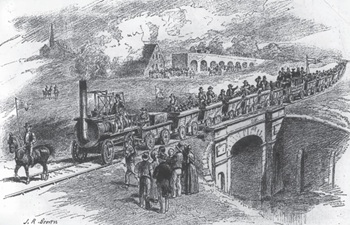
Heritage interests and operational requirements must be balanced.
Historic England publishes research into embodied carbon when retrofitting traditional buildings.

New Prime Minister delivers on ECA call for cut in electricity costs.

CIOB reacts to the announcement of Andy Burnham as Prime Minister.

Heritage and conservation science workforce survey - Have your say.

England's Suburbs 1820-2020. Book review.

New, more proportionate and targeted approach for higher-risk building assessments.

Government brings British Steel into public ownership.